What is vinyl flooring?
Vinyl flooring is a type of flooring with a polymer core made from polyvinyl chloride, better known as PVC.
However, when vinyl flooring is a combination of PVC and wood, it is known as WPC, and if it is made from stone (calcium carbonate) and PVC, known as SPC.
Vinyl floors usually covered with textile fabrics or decorative paper that simulate the look of stone or wood, and make any room look spectacular.
On the other hand, the vinyl floor application layer composed of transparent PVC, which during the manufacturing process given a treatment in order to resist against scratches, stains and bacteria’s, as well as to improve its abrasion.
Benefits of Vinyl Flooring
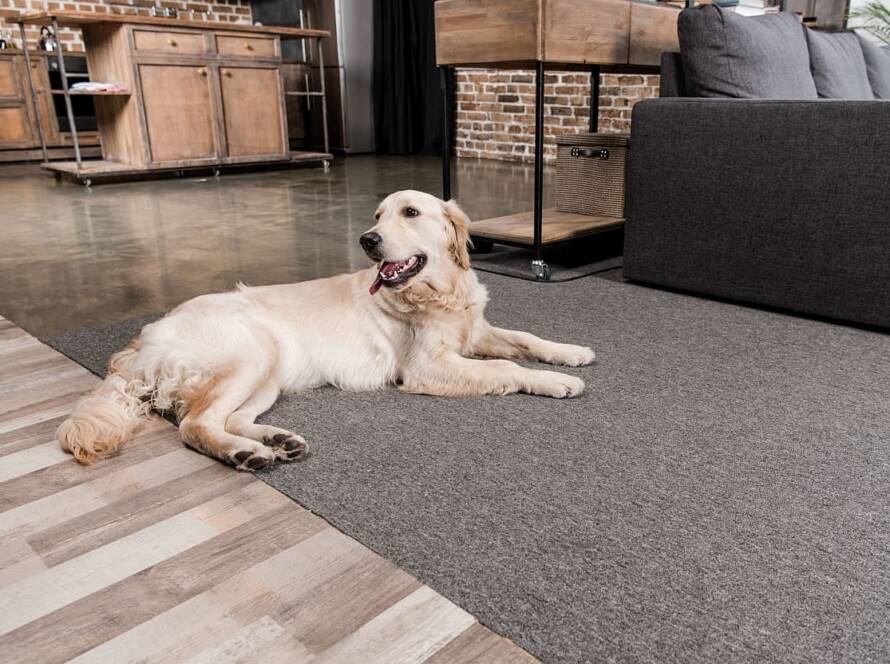
Durable: Its construction renders it incredibly durable – it is highly resistant to scratching and denting, so it’s a great choice for high-traffic areas and homes with pets.
Water-Resistant: One of vinyl flooring’s greatest strengths is its water-resistance – it is highly impermeable and can stand up against moisture and liquid spills. This makes it the perfect flooring choice for the kitchen or bathroom.
Low-Maintenance: Vinyl flooring’s water-resistance also means it resists stains and is easy to clean. A light sweeping is all that’s necessary to remove dirt and debris, and a gentle mopping with vinyl-friendly cleaning solution is effective at removing tough stains.
Affordable: More affordable than many other flooring options and versatile in design, vinyl flooring can provide the high-end look and feel of wood, ceramic, and natural stone without the steep price tag.
Easy to Install: Whether you choose vinyl sheets, tiles, or planks, you won’t need to hire a contractor to help you install vinyl flooring. It is DIY-friendly and can installed over a wide variety of subfloors.
Types of Vinyl Flooring
Plank: Vinyl plank flooring comes in the form of long, narrow, interlocking panels that often resemble hardwood. Vinyl planks are attractive, easy to install, and affordable.
Tile: Available in interlocking as well as groupable styles, vinyl tile flooring is a reliable substitute to ceramic- and stone-tile flooring, which can be costly and much more difficult to install.
Vinyl Flooring Designs
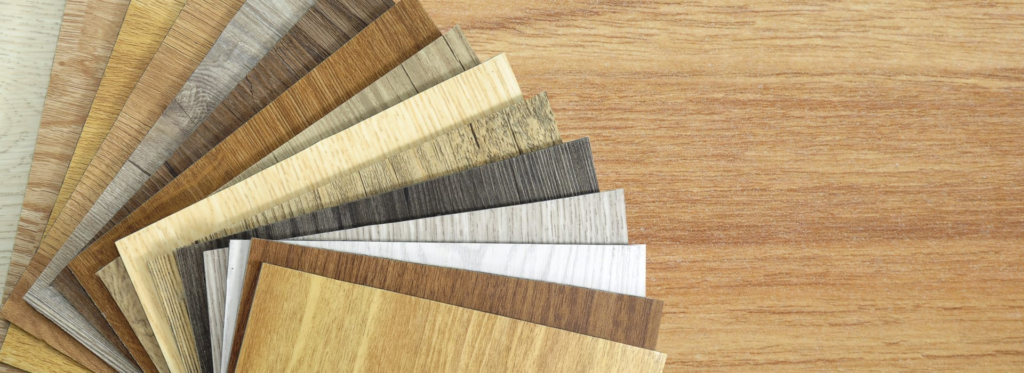
Wood: Available in a multitude of wood types and finishes, wood-inspired flooring is an excellent substitute for expensive hardwood flooring.
Stone & Slate: Thus type of flooring comes in a wide variety of designs meant to imitate the look of natural stone and slate with the added benefit of durability, softness underfoot, and a lower price tag.
Ceramic & Porcelain Tile: If you’re interested in flooring your bathroom or kitchen with a classic ceramic or porcelain tile look without breaking the bank, there are flooring imitations that look just as good at a much lower price.
Marble: Don’t let the affordability of this flooring fool you – marble-inspired flooring has the high-end look and feel of real marble with all the added benefits of flooring.