When deciding to remodel your basement it is important to choose materials that can withstand the moist environment of a basement. Choosing a flooring to install in your new lower level can be difficult with so many options being available.
Similar to any material being used in your basement, the most important factor of the product should be water resistance. Not only is your basement very humid, it is also extremely prone to water events such as flooding and leaking. When such an event occurs, you do not want to have to throw away all of your flooring, that would be a big time and monetary expense. Think about what will happen to your flooring if a pipe bursts, or your washing machine overflows, these are all very common occurrences in basements.

Best types of flooring for a basement:
- Luxury tile:It is a high fashion, high performance rigid tile that offers whatever look you desire for your floor. The tiles are typically 16″ x 16″ wide and a solid 5mm thick, with a wide range of patterns . Using adhesive and standard tools, these tiles are installed the same way as you would install any vinyl floor tile. Depending on the condition of your existing floor you can install them directly on top of concrete, sheet vinyl. So, to give your inner designer the freedom to mix and match, choose any of these beautifully coordinated tiles for a winning combination!
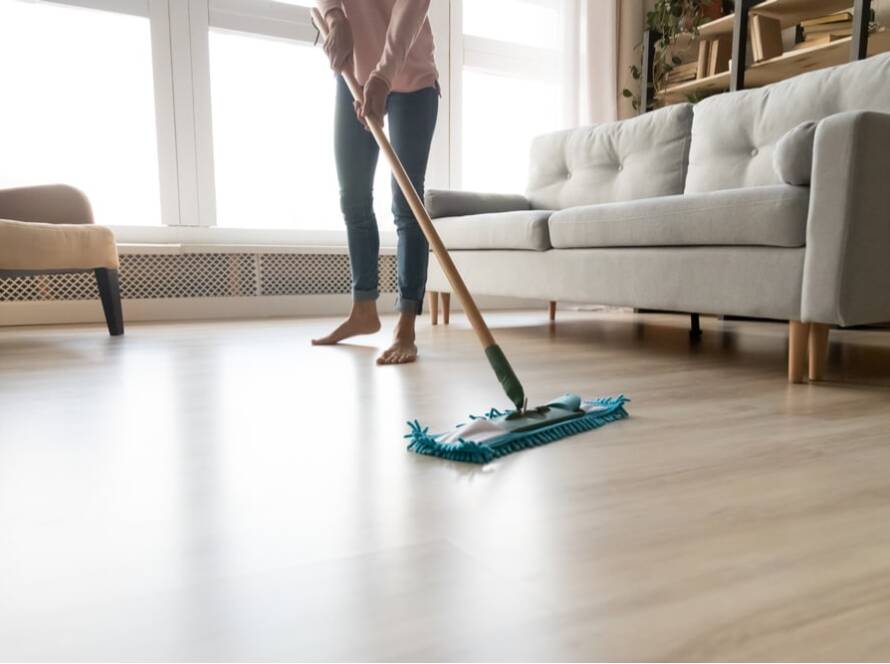
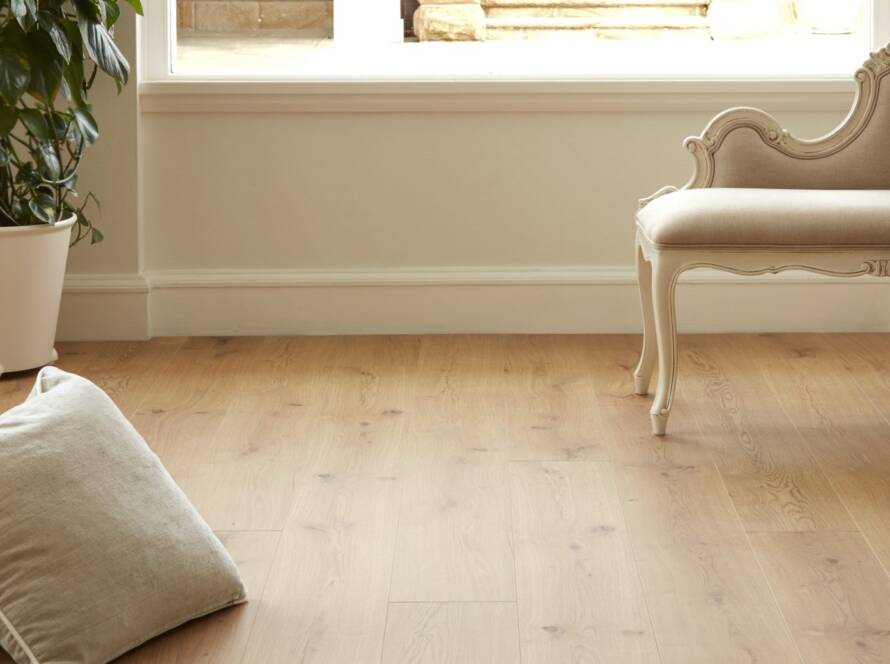
- Laminate floor:It is easy to install and to maintain,it’s designed to replicate the natural texture of real hardwood. Don’t confuse laminate floor with the old-fashioned laminate countertops. While the process is similar, the durability is 20x greater. In fact, it’s hard to tell it from the wood or stone that inspired its design. Laminate cant take a basement flood but it is very moisture resistant.
- Engineered Hardwood:You would be right to think we had lost our minds to suggest hardwood for the basement. It is made of five layers of plywood with a top layer of actual laminated veneer of the wood you love. These engineered hardwoods come in planks and are installed with a tongue and groove. The planks simply “float” over your existing basement flooring as long as it is in good condition. In fact, the only prep work you need is to lay out a moisture barrier sheeting over your concrete floor. They are designed to withstand moisture and can be installed below grade without fear of the warping.