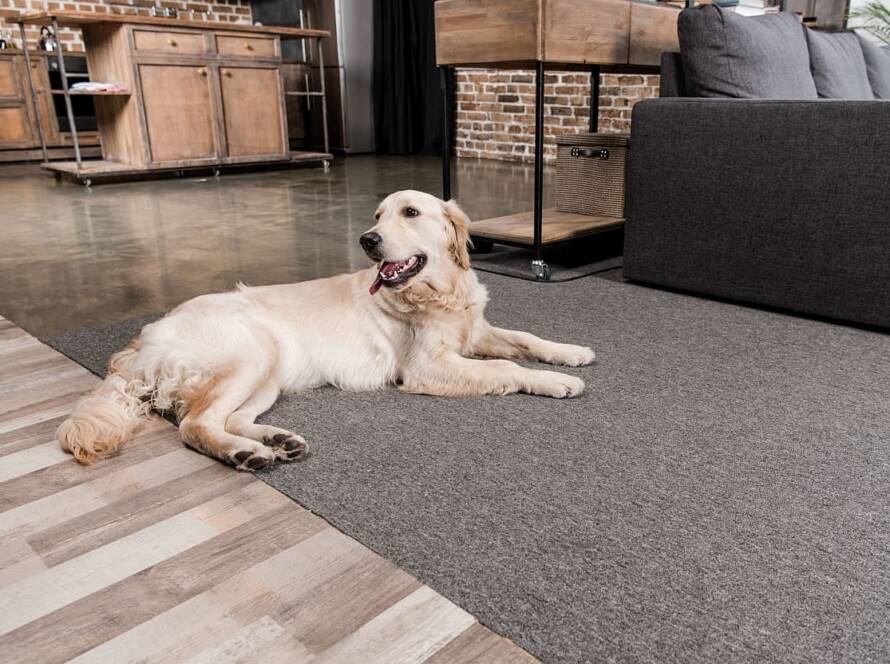
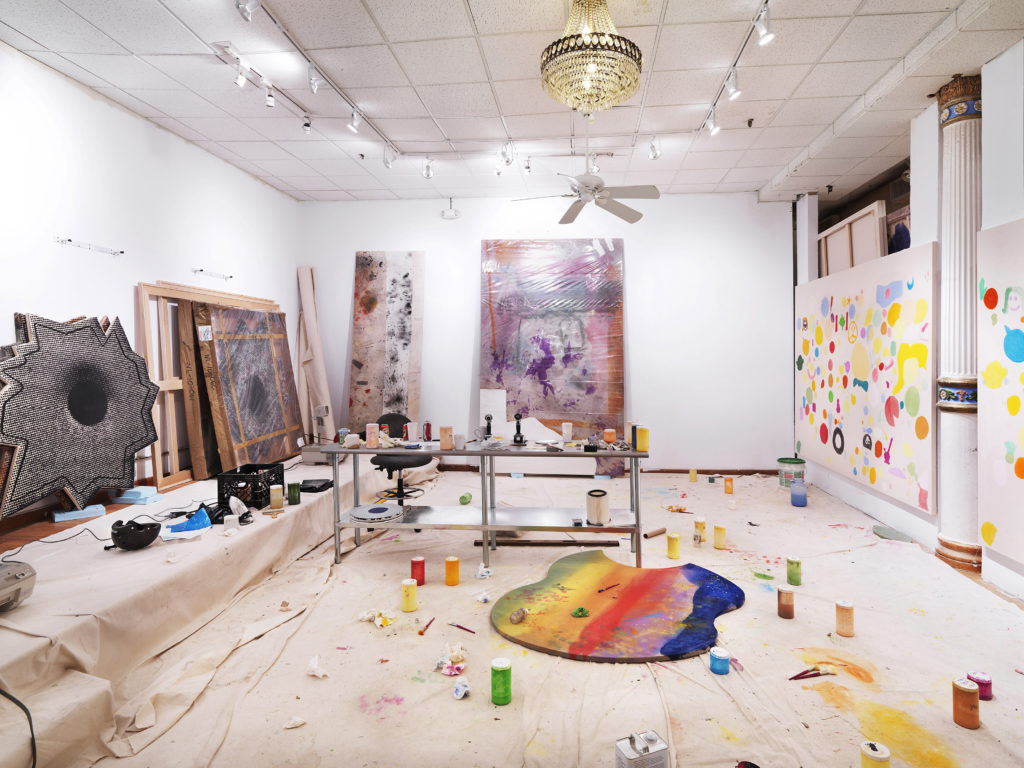
A painter’s studio is rarely a spotless environment. Spills happen, so a great flooring that resists stains is the best choice. Hard flooring is the wisest choice, as it allows regular cleaning as well as spot cleaning without excessive damage. No flooring is a perfect solution. A softer surface will eventually acquire a stain or two that never releases. Drop cloths are wise on any flooring, if the most stain and spill protection is desired.
Choices for art studio flooring:
Wood
Although wood floors are guarded with extreme care in many homes, wood is a natural flooring choice for a painting studio. The wood should be sealed after it is installed, rather than using pre finished materials. When sealer is applied over the whole floor, it creates a solid film across the surface, closing the seams between boards. This reduces the chance of accidental paint and solvent spills seeping into cracks.
Oil-based paint spills should be attended too quickly; they require solvents to remove, whether the paint is wet or dry, and solvent may harm the floor if left for long periods. Likewise, accidental solvent spills should be cleaned up immediately. A wood flooring finish to consider is epoxy paint, it is quite tough and resists a great deal of cleaning and abuse.
Vinyl
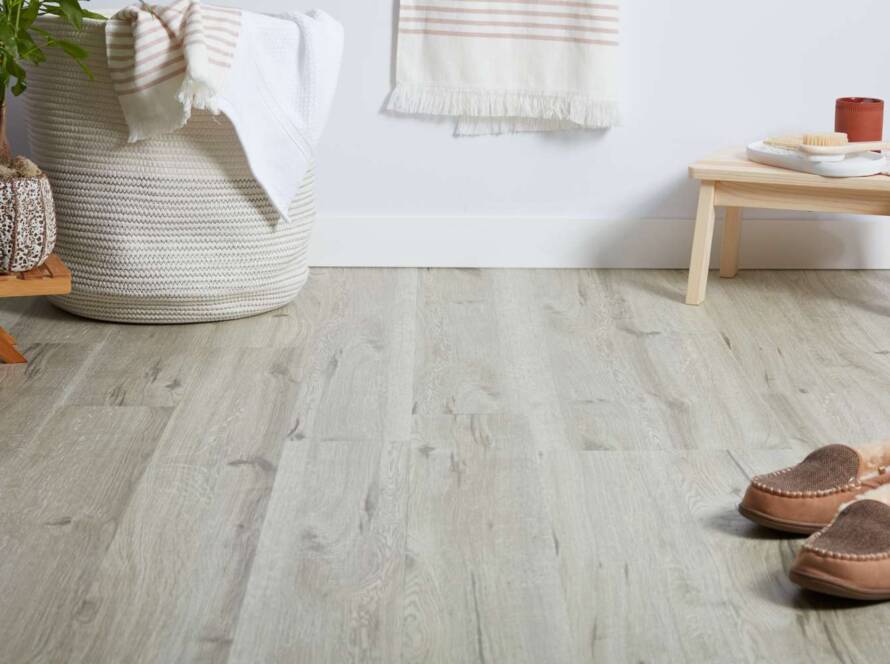
Vinyl flooring has some cushion, which helps reduce back and leg stress while standing at an easel for long periods. Unlike the vinyl of recent decades past, new designs bear a dramatic and fashionable resemblance to tile and wood. Sheet linoleum has less cushion than vinyl, but its colour is solid throughout. If a paint spill or splatter is overlooked until it is cured, you can sand it without ruining the floor. Vinyl is available in tiles as well as sheets, but this type of floor has numerous seams, which can collect paint. Removing the paint from seams would require scraping with a sharp blade or replacement of one or more tiles. Oil paint solvents may ruin vinyl if left unattended.