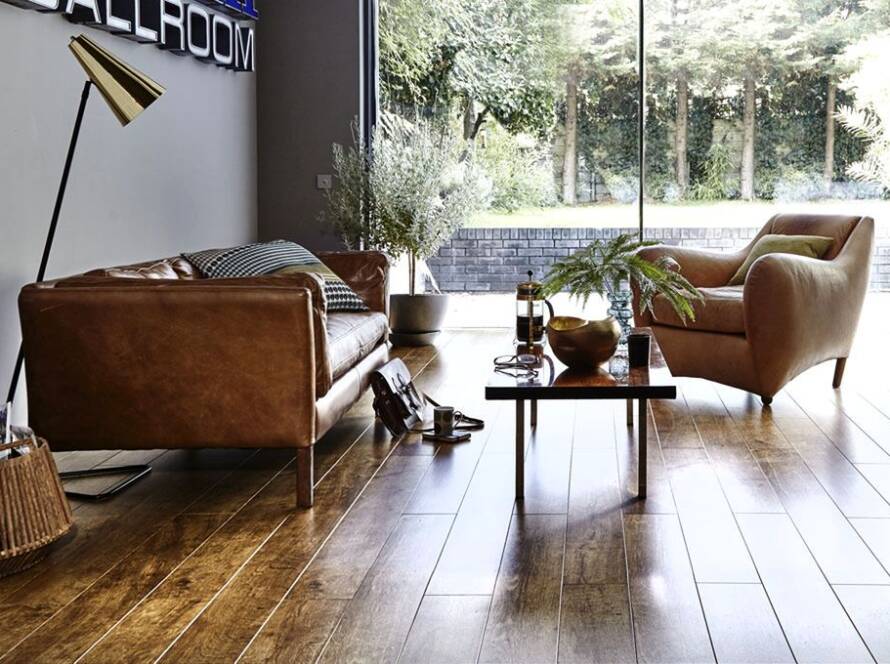
Gallery flooring typically has specific requirements to meet the needs of an art gallery space:The most used surface in a gallery is the floor. Flooring materials need to be as beautiful as they are durable. Flooring must reflect the aesthetics of the artwork and space. Daily traffic from tours and visitors take a toll on the floor finish. Today,they pick dependable, modern materials when building new or renovating old spaces

Durability
First,gallery floors need to be durable to withstand high foot traffic and potential impacts from artworks being moved around or installed. Materials like concrete, stone tiles, vinyl, and laminate or high-quality wood floors are common. Carpet is typically avoided due to durability and staining concerns.
Seamless
In addition,for a sleek, minimalist look, gallery floors are often made of materials that can be installed seamlessly without visible joints. Large tiles, concrete, and vinyl or seamless flooring help achieve this aesthetic.
Neutral Tone
Moreover,gallery flooring usually has a neutral, muted tone that does not compete with the artwork on display. Neutral or gray tones are common for stone, tile, concrete, and vinyl floors. Natural wood tones can also work well for wood or laminate floors.
Easy to maintain
Furthermore,low-maintenance, easy to clean floors are important for an art gallery. Materials like vinyl, laminate, and tiles are good options that can be quickly swept or mopped.
Optional additional features
Finally,some galleries may want optional features like radiant floor heating or slip-resistant coatings, especially for concrete floors. LED-integrated flooring is also an option to create interesting effects.
Those are some of the key things to consider for gallery flooring. The specific material and style ultimately depends on the gallery’s preferences, budget, and artwork displays. An architect or interior designer can help recommend options based on the gallery’s unique needs and space.