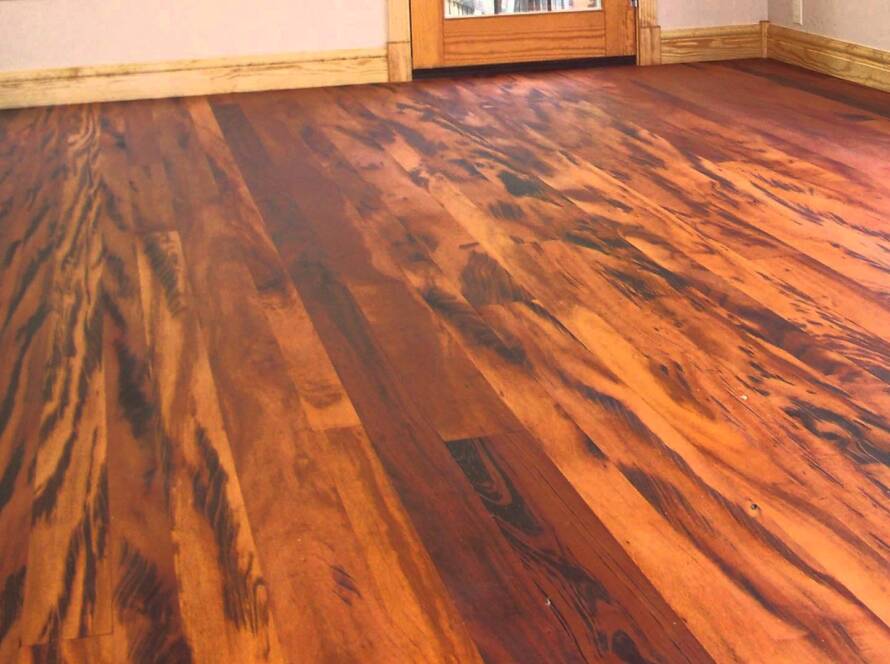
Textured flooring refers to the one that has a non-smooth surface. It has a patterned or embossed surface that provides more grip. Floors with a textured finish are designed to have a certain degree of roughness. There are two reasons for a textured finish – design and slip resistance.
Benefits of Textured Floors
Textured-finish floors create aesthetic benefits as well as provide protection.Benefit highlights include:
- Creating a look or feel. Textured surfaces bring depth. They reflect light differently and can sometimes provide and “earthier” feel.
- Providing increased slip resistance. In areas where grease, water and spills tend to exist, a higher textured finish is beneficial.
Common types of this flooring include:
• Textured carpet – Carpet tiles or rolled carpet that has a patterned or looped surface. The textured surface helps hides dirt and footprints and provides more traction.
• Textured vinyl – Vinyl that has a patterned or embossed surface. The textured surface makes the vinyl less slippery and can hide scratches more easily than smooth vinyl.
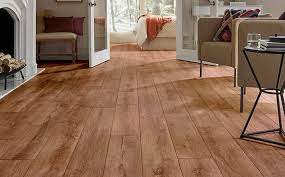
• Textured wood – Hardwood or laminate that has a distressed or hand-scraped surface. The textured wood grains or distressed elements give the flooring a rustic look and also provide more grip than a smooth wood floor.
• Textured tile – Ceramic that has a non-smooth, patterned surface. Textured tile provides more slip-resistance than smooth tile and can also help hide grout lines and other imperfections more easily.
• Textured concrete – Concrete flooring that has a patterned or stamped surface. The textured surface provides a non-slip grip and also gives more visual interest than a standard smooth concrete floor.