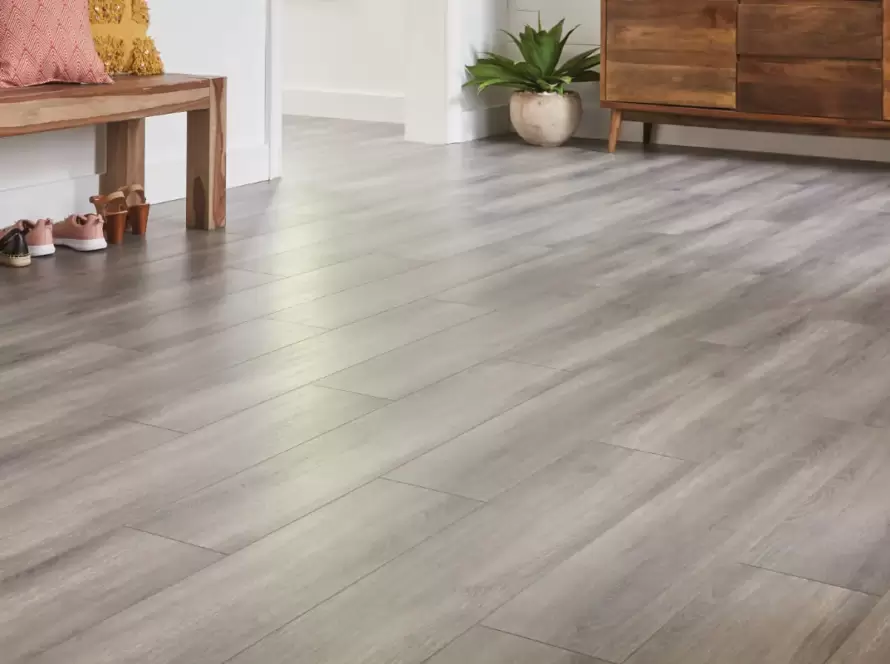
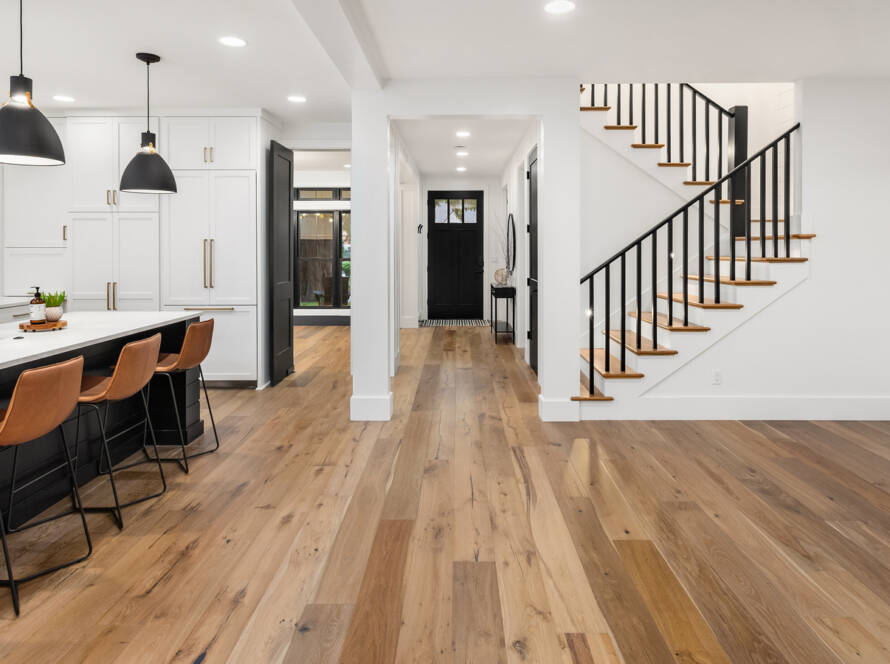
Waterproof flooring can cost more than water resistant flooring, that is why It’s important to do your research before deciding to buy any type of flooring. Consider where the flooring is installed and if water has a high chance of being on the floor. You’ll also need to consider your overall budget for your flooring project. If you try to save money by installing water resistant flooring in an area that gets frequent spills, you could end up spending more money in the future on flooring replacement.
Waterproof flooring can used in all rooms. However, you may want to avoid installing water resistant flooring in rooms where water frequently collects on the floor, such as mudrooms. When you’re considering a flooring choice for your home. Use this guide to help you decide between waterproof vs water resistant flooring options for your intended space.
Waterproof vs Water Resistant: What’s the Difference?
Both terms refer to a material that can prevent or repel water, which is great for bathrooms or kitchens. However, they’re not interchangeable terms.
Waterproof refers to a permanent material, which means water won’t penetrate the flooring, no matter how much time goes by. For example, waterproof flooring can installed in any room, but it’s more expensive than water-resistant flooring. A water resistant floor refers to how flooring material protects flooring substrate from water infiltration
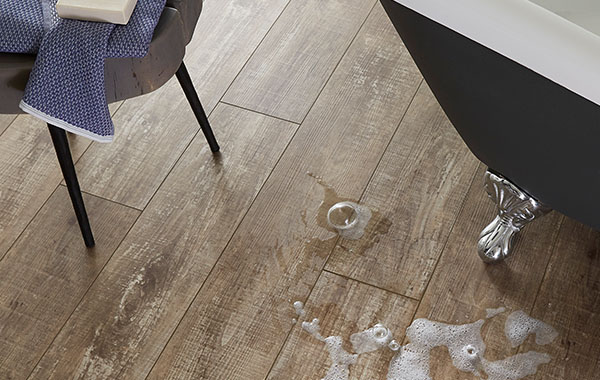
Waterproof flooring is more expensive, but it has benefits that water-resistant flooring does not. While waterproof costs more than water-resistant flooring options initially, the cost can be worth it depending on where you’re installing them. If water absorbs into certain types of flooring, such as hardwood, the flooring material could swell and eventually crack, ruining the floor. When this damage occurs, you’ll need to replace the flooring. This is why it may be easier to install waterproof floors from the start. You can purchase waterproof hardwood, but this type of flooring will be more expensive. While One point to keep in mind about water resistant flooring is the time you can allow water to sit on top of the floor. As long as you mop up water on the floor somewhat quickly. It won’t have time to absorb into the floor and impact the material underneath. Water doesn’t go through water resistant flooring as quickly as it does with something like wood flooring. Since water resistant flooring can handle small spills on occasion, this flooring option will last longer.
What Areas Require Waterproof Flooring and water resistant
True waterproof floors are more expensive than water-resistant floors, so you want to opt for this flooring in areas that are more likely to see water, such as a bathroom, basement, or kitchen. Rooms that see standing water, or water that isn’t immediately cleaned up, are the areas that would benefit the most from having waterproof floors.
If you’ve experienced flooding before, you know how expensive and painful it can be to replace a ruined floor due to water damage. In the case of a flood, flooring remains undamaged by the floodwater. But, keep in mind that just because the flooring itself is waterproof. It does not mean there will not be other damage from the flood. And if water gets to the subfloor, you could have damage there. Your waterproof flooring, however, will able to be dried off and used again, even if you sustained other damage.
While water-resistant flooring is less expensive than waterproof flooring. So even though you might tempted to get a waterproof floor for every room of your house, it’s not actually necessary to outfit rooms like a living room, hallway, or bedroom with a waterproof floor. It’s always best to consider the amount of water you expect that room to see. If it is not a wet area.