

Some of the most popular wood types for herringbone flooring include:
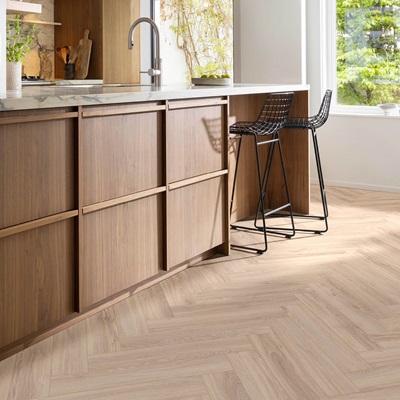
• Oak – Oak is a classic wood choice for herringbone floors. It has excellent durability and wear resistance. Oak comes in red oak, white oak, and live oak varieties with reddish and brown tones.
• Hickory – Hickory is a very hard, dense wood that is stunning in herringbone flooring. It has distinctive grain patterns and earthy tones. Hickory is very durable but can be difficult to work with.
• Maple – Maple has a fine, even grain and rich honey-tone color that creates a beautiful herringbone floor. It is moderately durable and wears well but can dent or scratch more easily than harder woods.
• Walnut – Walnut has a gorgeous deep brown color and unique triangular grain pattern. It adds warmth and visual interest to herringbone floors but is more difficult to work with and not very durable or scratch resistant. Often used for accents.
• Pecan – Like walnut, pecan has an attractive dark brown tone and unique grain. It is moderately hard and durable but prone to dents and scratches. Pecan works well for rustic-style herringbone floors.
• Pine – Pine offers an affordable, rustic option for herringbone wood floors. It comes in whitish and yellow tones. Pine is soft and not very durable or scratch resistant but can develop a handsome distressed patina over time with wear. Often used for rustic cabins or cottages.
• Teak – Teak is an exotic hardwood prized for outdoor applications but can also be used for herringbone floors, especially in high-moisture areas. It has a golden brown tone and extreme durability, weather resistance, and longevity. Teak is dense, rigid and expensive but creates a stunning rustic floor.
• Bamboo – Bamboo flooring has become popular and also works well for herringbone patterns. It is durable and eco-friendly but can be prone to expansion and contraction cracks. Bamboo floors have an earthy tone and unique texture. They suit tropical, rustic and contemporary styles.
• Engineered woods – Products like laminate, and composite offer affordable alternatives to solid hardwoods for herringbone floors with realistic woodgrain textures and stains. They provide durability and stability along with eco-friendliness.LikeDislikeShareTell me more.Which of these wood types are the most affordable?What are some of the pros and cons of using engineered woods for herringbone floors?What are some of the best ways to maintain and care for herringbone floors made of these wood types?See other topic ideas
