

Most types of flooring are slip-resistant when dry. However, any contaminate water or dust can reduce the non-slip effectiveness.Traction is also greatly reduced when a surface, like concrete, vinyl and timber, has been polished. Worn surfaces, which are especially a problem with steel and concrete, will increase slipperiness. In general, the duller a surface is, the more slip-resistant it is.
Here are some key points about slip resistant flooring:
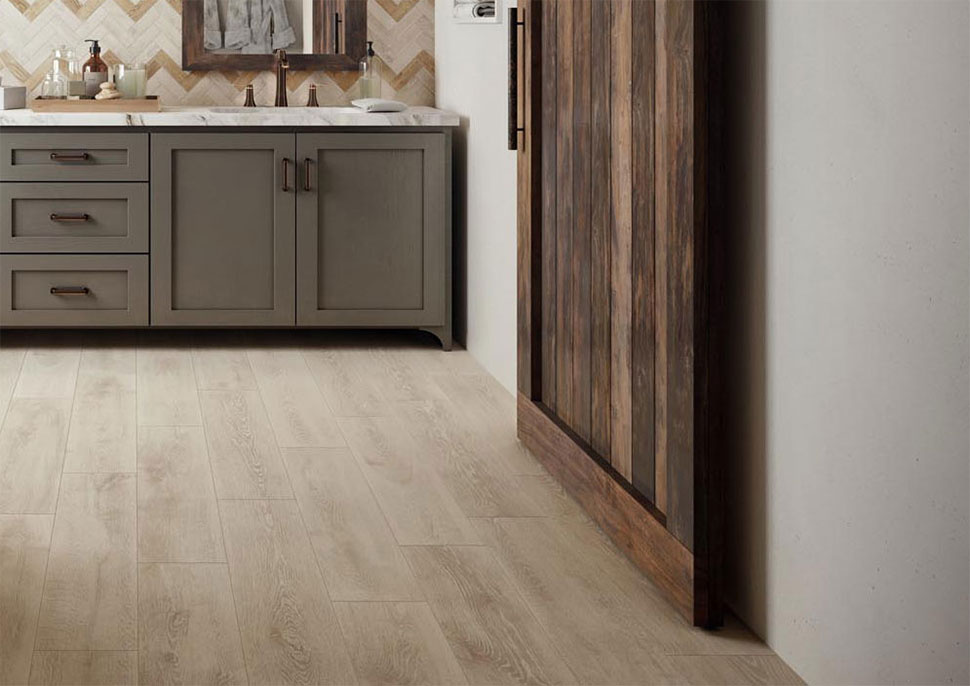
• Slip resistant flooring has a rough, textured surface
First,It provides extra traction to prevent slips and falls. The material itself, a coating applied to the floor, creates tiny grooves, bumps or grit that gives shoes something to grip onto for more stability.
• Slip resistant flooring is required by codes
Next,For high-traffic commercial spaces like hospitals, airports, hotels, retail stores, restaurants, etc. It helps ensure the safety of pedestrians walking on the floor, especially in wet areas. Proper slip resistance reduces liability risks due to slips and falls.
• Slip resistant coatings
Moreover,they can be applied to many floor types to increase traction. Epoxy coatings and polyurethane micro-grit coatings provide a durable top layer with tightly bonded grit particles for extra slip resistance. These coatings works well for concrete floors, wood, vinyl, tile or stone.
• ADA guidelines
Furthermore,they specify minimum slip resistance coefficients of 0.60 for level floors, 0.75 for ramps, and 0.83 for business entrances. Flooring/coatings that meet these ratios at a minimum are considered adequately slip resistant for most commercial spaces per safety standards.
• Slip resistant strips
Finally,hey can also be used on stairs, ramps, steps or landings to prevent falls. Safety strips are treads with integral slip resistant grit tape backing. They provide an inexpensive way to improve floor traction for at-risk passageways.

