

Floating floors, also known as click-together floors or interlocking floors, have some key benefits over traditional glued-in or installed floors:
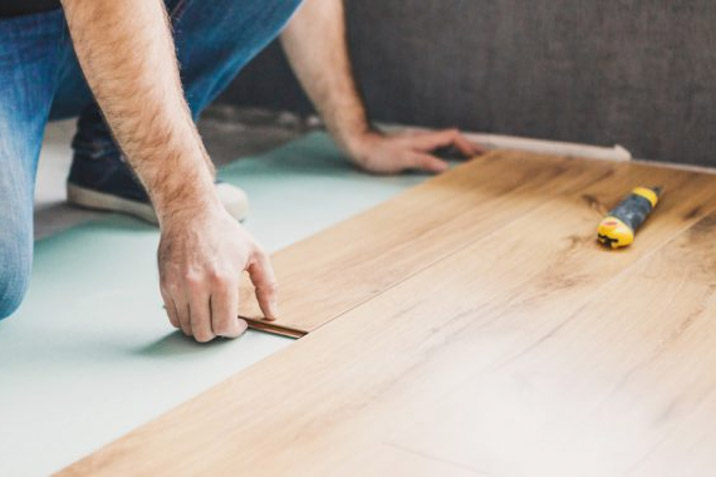
• Easy installation. Floating floors click together without the need for gluing, nailing or other installation methods. They can be installed over existing floors like wood, concrete, tile, laminate or linoleum. This means they can easily be reconfigured or removed for access to below-floor features.
• Accommodates imperfections. The floating design allows the floorboards to move independently, meaning the floor can conform to unevenness, wrinkles or imperfections in the subfloor underneath. This provides a very smooth surface.
• Expansion and contraction. Wood and laminate floating floors can expand and contract with changes in temperature and humidity without distortion or damage. The floorboards simply spread apart a bit more or less depending on conditions. This prevents seasonal movement from affecting the floor.
• Water resistance. Some floating floors have waterproof cores or seals for better resistance to moisture damage. While not fully waterproof, they handle spills and humidity better than traditional wood or laminate floors.
• Styles and patterns. A wide range of styles are available including wood grain, stone, tile and abstract patterns in many wood types, colors and widths. There are endless options to match any home’s decor.
• DIY installation. Floating floors are designed so that they can typically be installed by professionals. The simple click-lock system makes them easier to install than traditional flooring. However, very large commercial projects may still benefit more from professional installation.