

Choosing new flooring for any space starts to understand flooring core terms and properties that will impact how the floor functions. Factors like durability, cushioning, scratch resistance, water resistance and more determine if a floor will suit the needs of high- or low-traffic areas. An awareness of these flooring basics leads to selections that last longer and problems that are fewer.
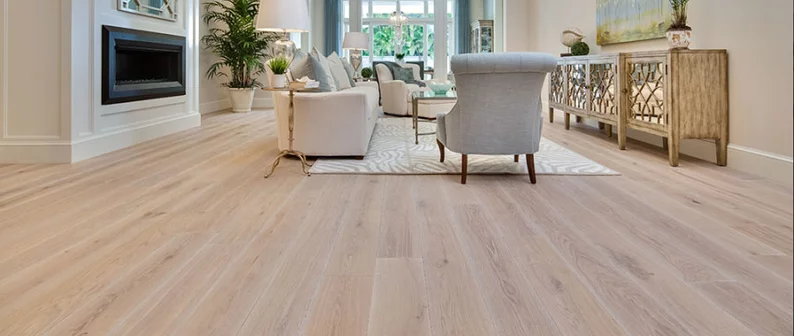
Durability reflects how well the flooring material and construction can withstand constant use, high impacts or heavy traffic over time without damage, wear or tear. Durable floors are essential for basements, entertainment rooms or commercial buildings. Less durable floors will not last as long under heavy use.
Cushioning provides padding and absorbs shocks that could lead to discomfort, fatigue or injury. Floors with cushioning, like rubber or cork, reduce stress on joints for spaces where people stand for long periods or play actively. Floors with little cushioning offer more support but less padding.
Scratch resistance protects the surface from marks, scuffs and other blemishes caused by furniture, high heels or rough treatment. Scratch-resistant floors include laminate, vinyl, composite wood and stone. They are ideal for spaces with hard use but remain more vulnerable to deep scratches. Softer understand flooring are easier to scratch permanently.
Water resistance prevents damage and maintains integrity when exposed to moisture. Easy-to-clean vinyl, linoleum, stone and rubber floors can stand up to water and frequent mopping/cleaning with few issues. Non-water-resistant floors will sustain damage or grow unsafe when frequently exposed to water or liquid spills.
Stain resistance makes a floor less prone to permanent staining from spills, grease, grime or dye transfers from rugs, furniture or clothing. Floors with strong stain resistance include vinyl, linoleum, stone and engineered wood. Stain-prone wood, laminate and carpeted floors will show stains more noticeably over time.
Slip resistance provides a balanced non-slip profile in the floor’s surface for safe footing. It’s important for spaces where water/moisture is present, grease/grime can build up or high-traffic/activity exists with little time to wipe feet when entering or changing directions. Slip-resistant floors have a texture that still remains easy to walk and sweep on for basic movement.
Proper installation by professionals provides the most secure, durable floor by minimizing future problems. DIY installation can save money but professional work will often achieve higher quality for safety, performance and peace of mind. Installation methods include floating (no adhesive), glue-down (adhesive), snap/click (interlocking) and peel-and-stick.
Floors that understand and meet these key basics will serve any space well with style, safety, comfort, care-free use, affordable upkeep and a long lifespan. Whether high-traffic commercial or personal residence, durability, cushioning, scratch/water resistance and installation achieve the results most valued in flooring. Understanding these basics allows choosing floors confidently for any need.

