

Some common causes of structural damage to floor include:
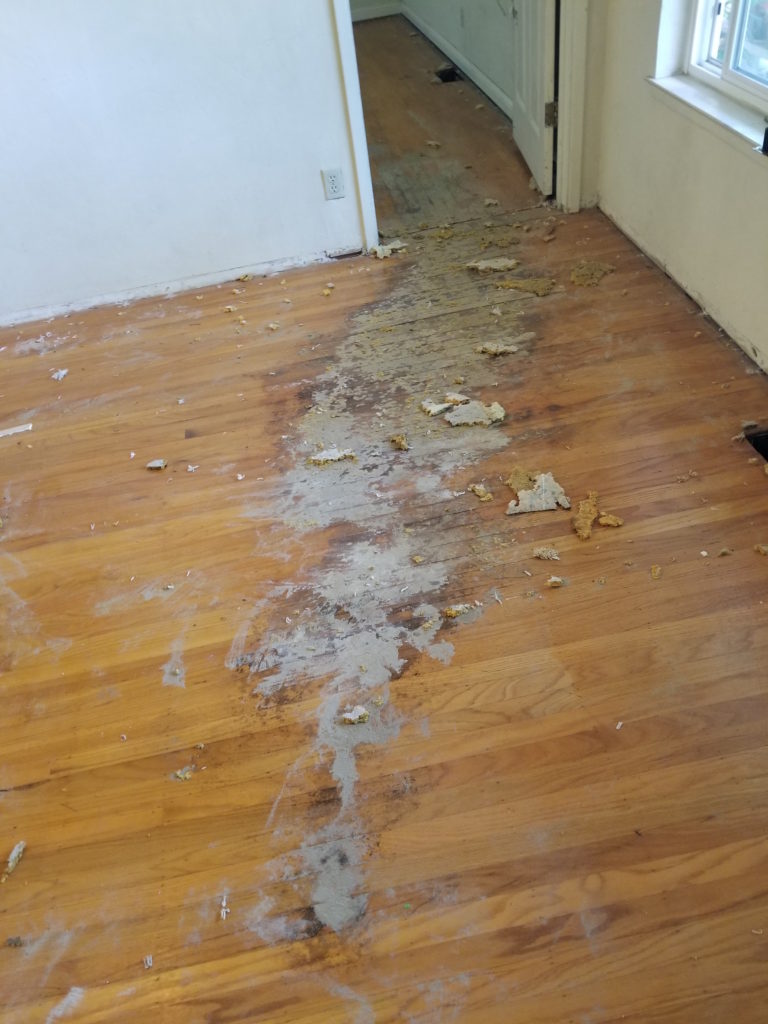
• Water damage or flooding.
Excessive moisture is one of the leading causes of floor damage. Floods, leaks, spills or plumbing issues can saturate the flooring materials and underlying wood or concrete subfloor, causing rot, warping, buckling and complete structural failure over time.
• Insect damage.
Termites, carpenter ants or other wood-destroying insects that infest floors can severely weaken the structural framework. Damage from insects may not always be immediately visible.
• Improper installation.
Issues with the original installation like inadequate fastening, spacing gaps between panels or lack of expansion/contraction considerations can lead the floor to become unstable over time. Loose or warped edge clips also allow for more motion and damage.
• Weather exposure.
Exposure to extreme or prolonged weather conditions can cause wood floors, subfloors and the components that connect them to deteriorate more rapidly. Also,sun exposure, high heat/humidity and freezing temperatures damage floors.
• Fire damage.
Exposure to high heat can warp, char and completely destroy flooring materials and structural members. Then,even minor fires may cause enough damage to require replacement. Smoke exposure also accelerates damage to wood components.
• Excessive weight or point loads.
Placing too much weight in concentrated areas like heavy furniture, equipment, mechanicals or equipment can cause the floor to flex, bend or bow over time at the high-load locations. Also,this leads to creaks, cracks and complete structural failure.
• Improperly secured fixtures.
Heavy fixtures that are not properly secured to wall studs or the floor structure, such as bookcases, cabinets, and TVs, will put excess stress on the floor as the structure adjusts to the weight over time. Also,this can result in sagging, buckling or pulling away from the wall.
• Subfloor damage or deterioration.
The subfloor provides structural support for the finished flooring materials. If the subfloor is damaged, rotted, uneven or has become detached or buckled, it compromises the entire floor structure. Subfloor damage needs to be repaired before reinstalling flooring.
• Foundation or concrete floor issues.
Concrete floors or foundation walls that settle, crack, crumble or become uneven put stress on the floor above and attached components. Foundation repairs may be required to stabilize floors in these situations.

